
Tyson Houseman
NDN Time
From September 11 to October 31, 2026
Opening on September 11 at 5 pm


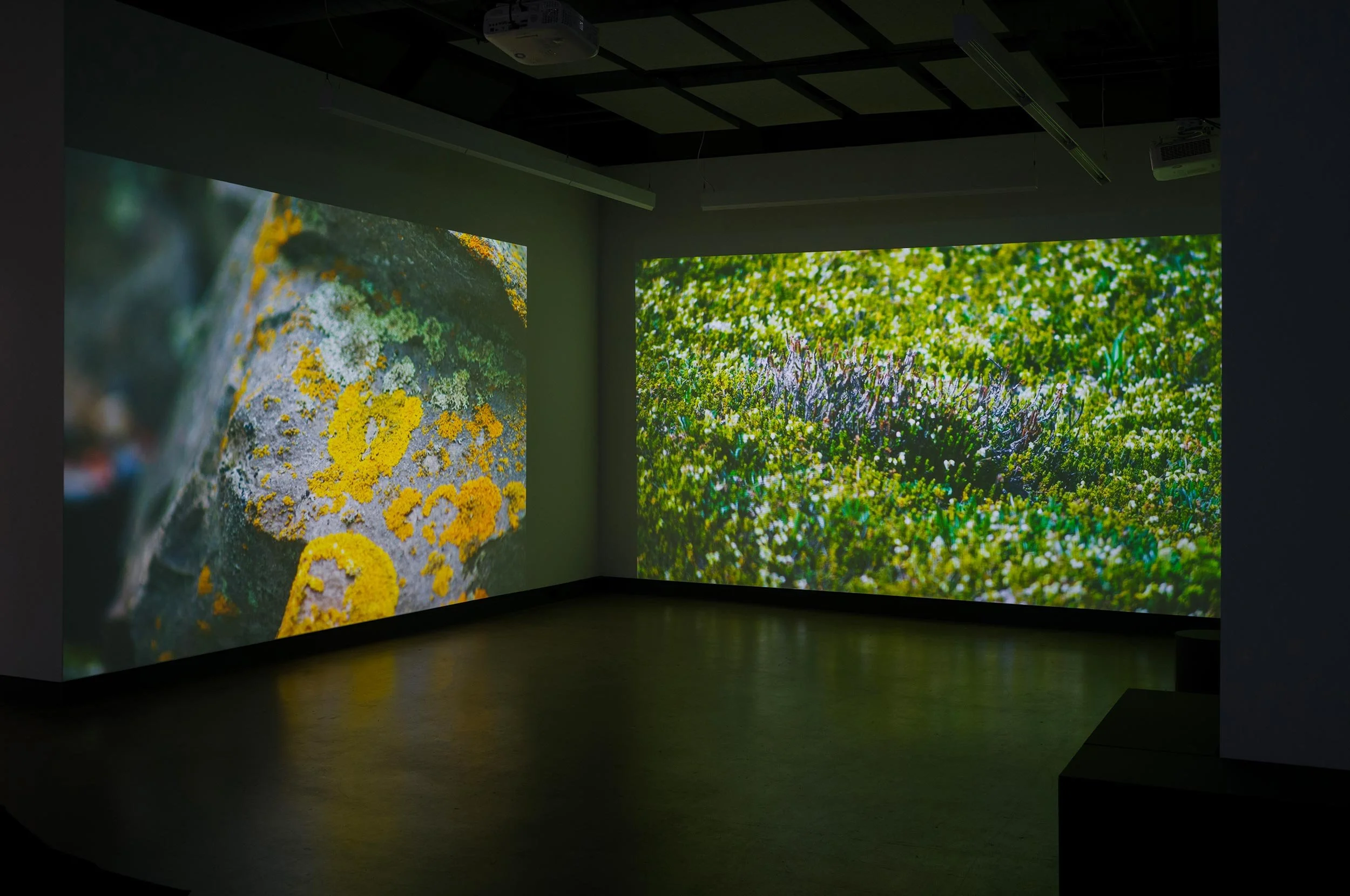
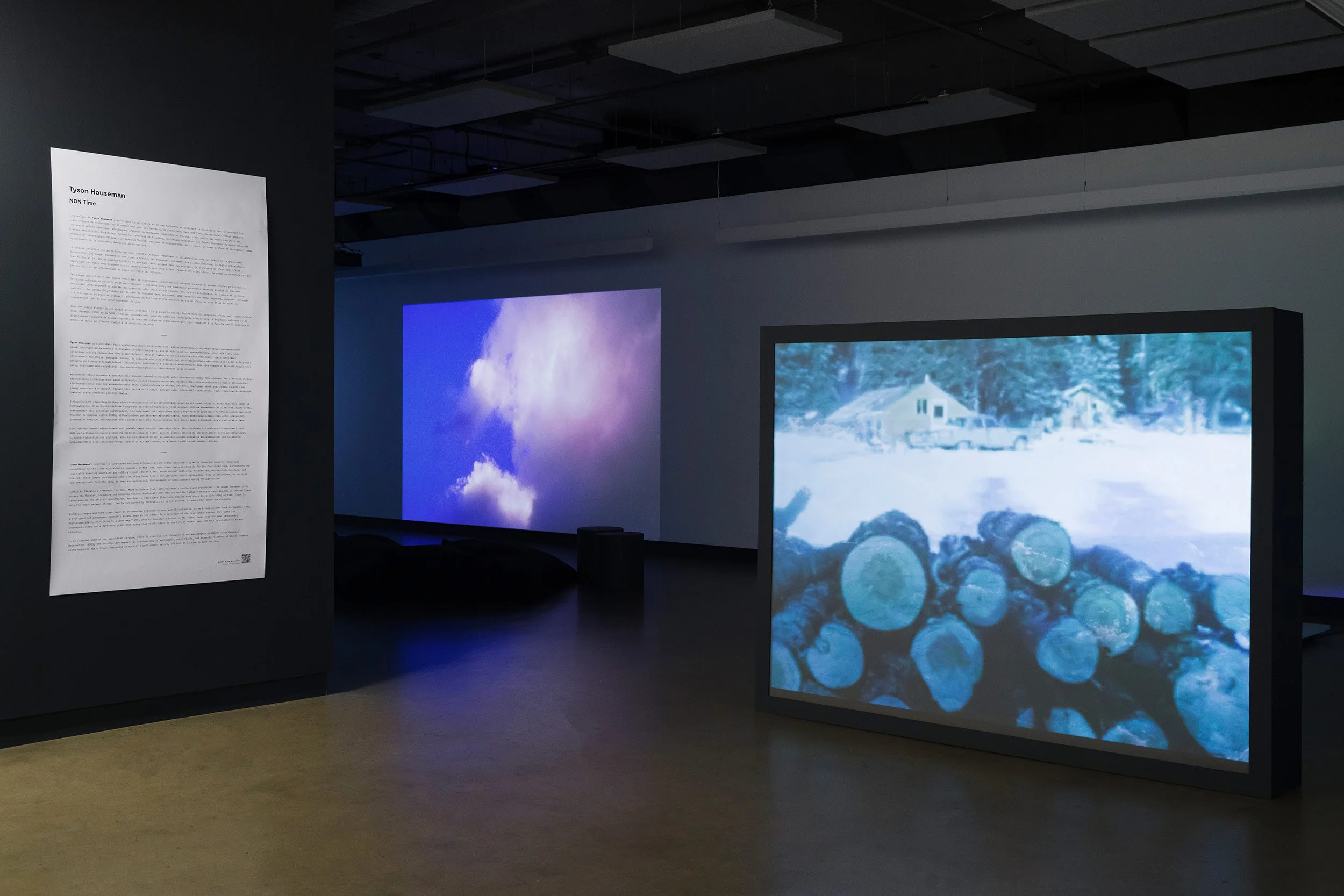
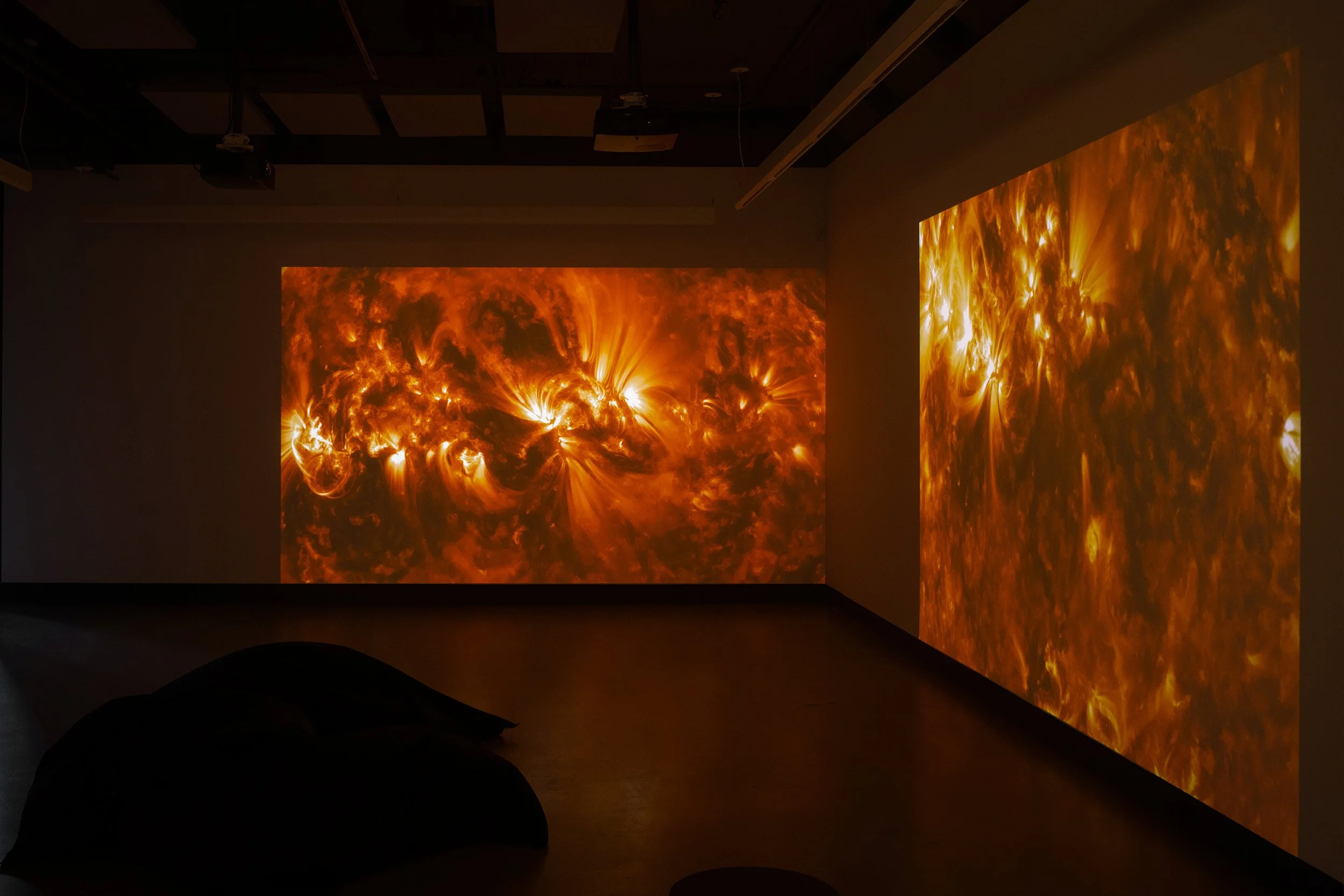
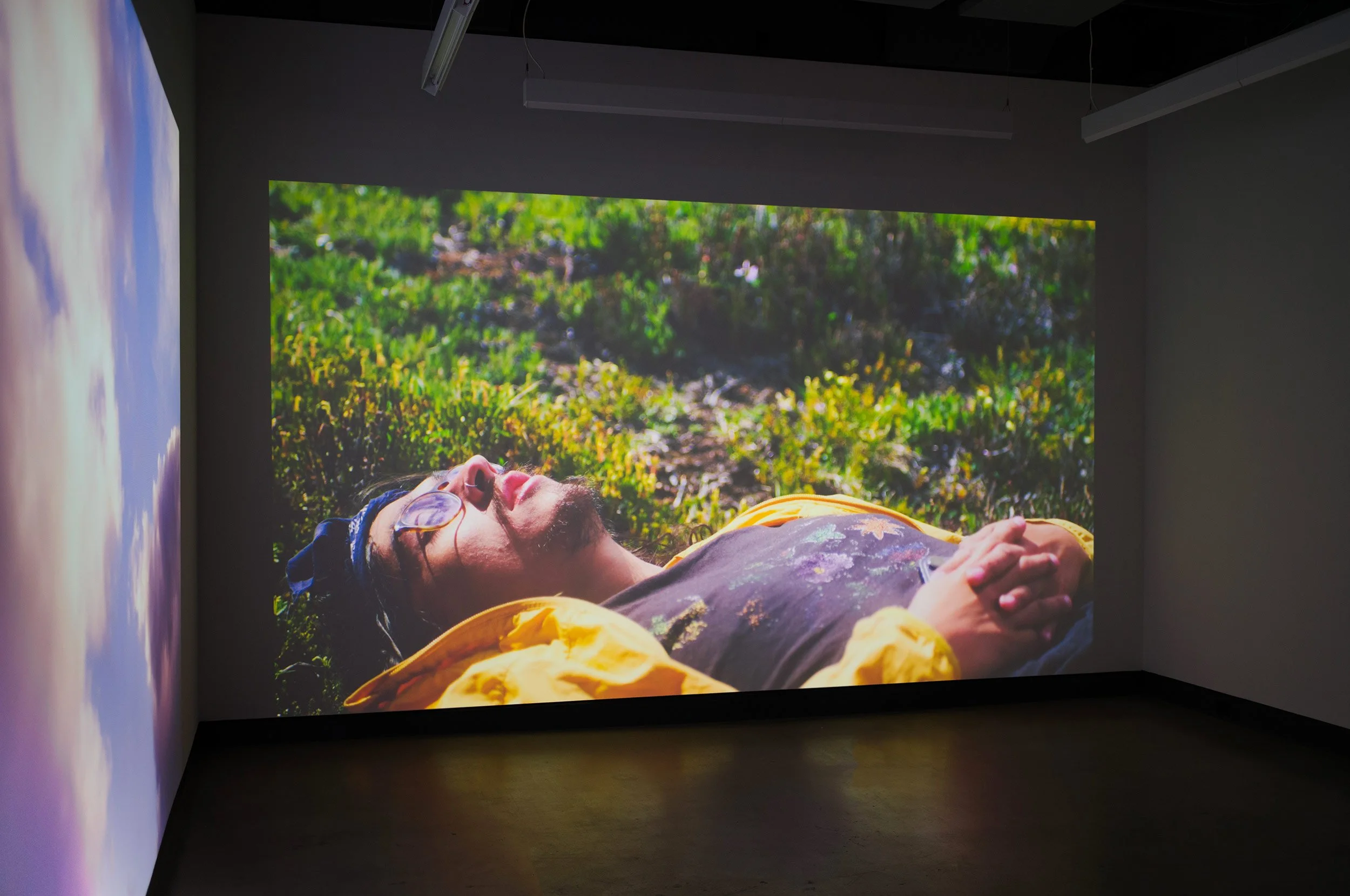
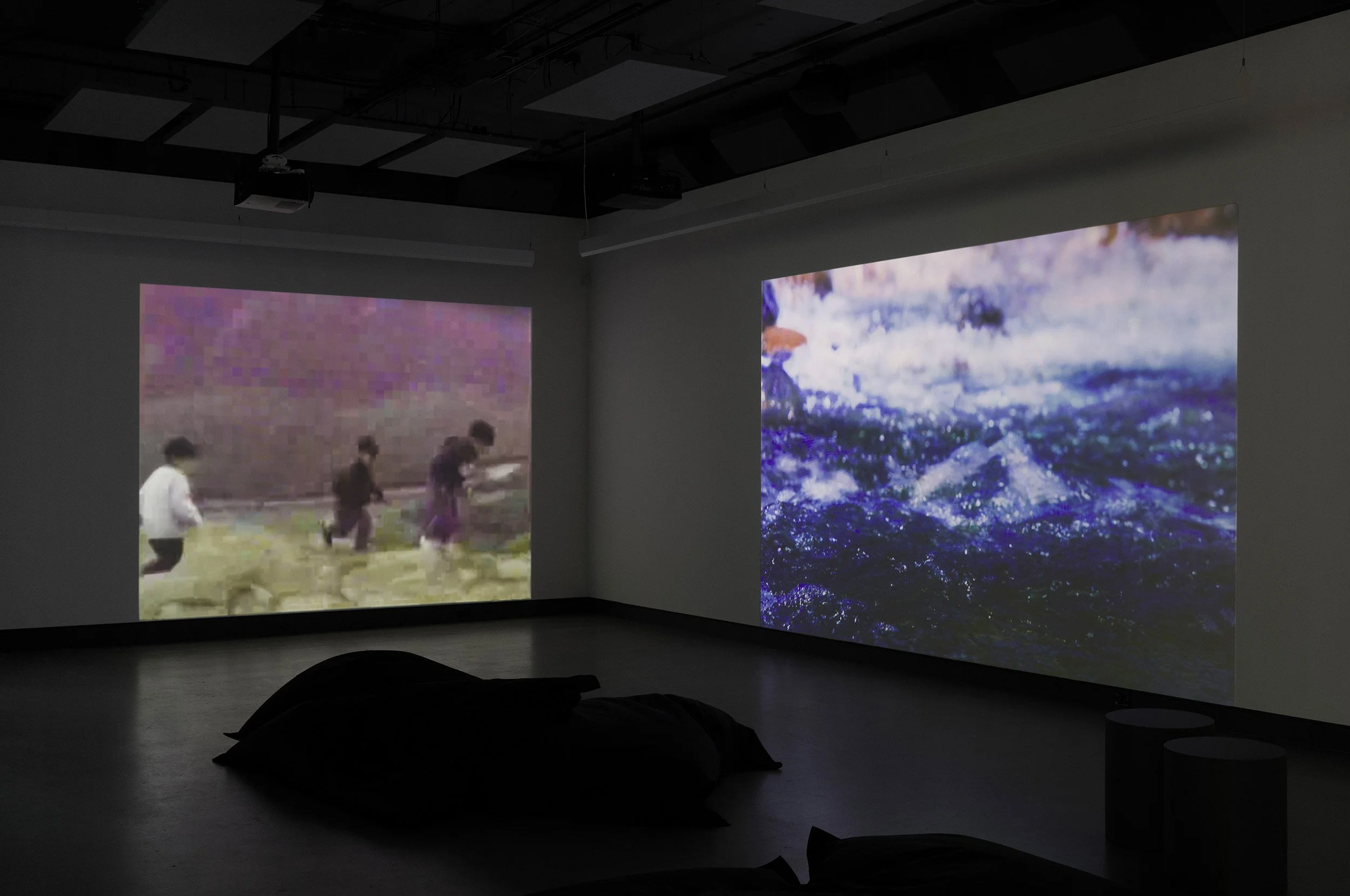
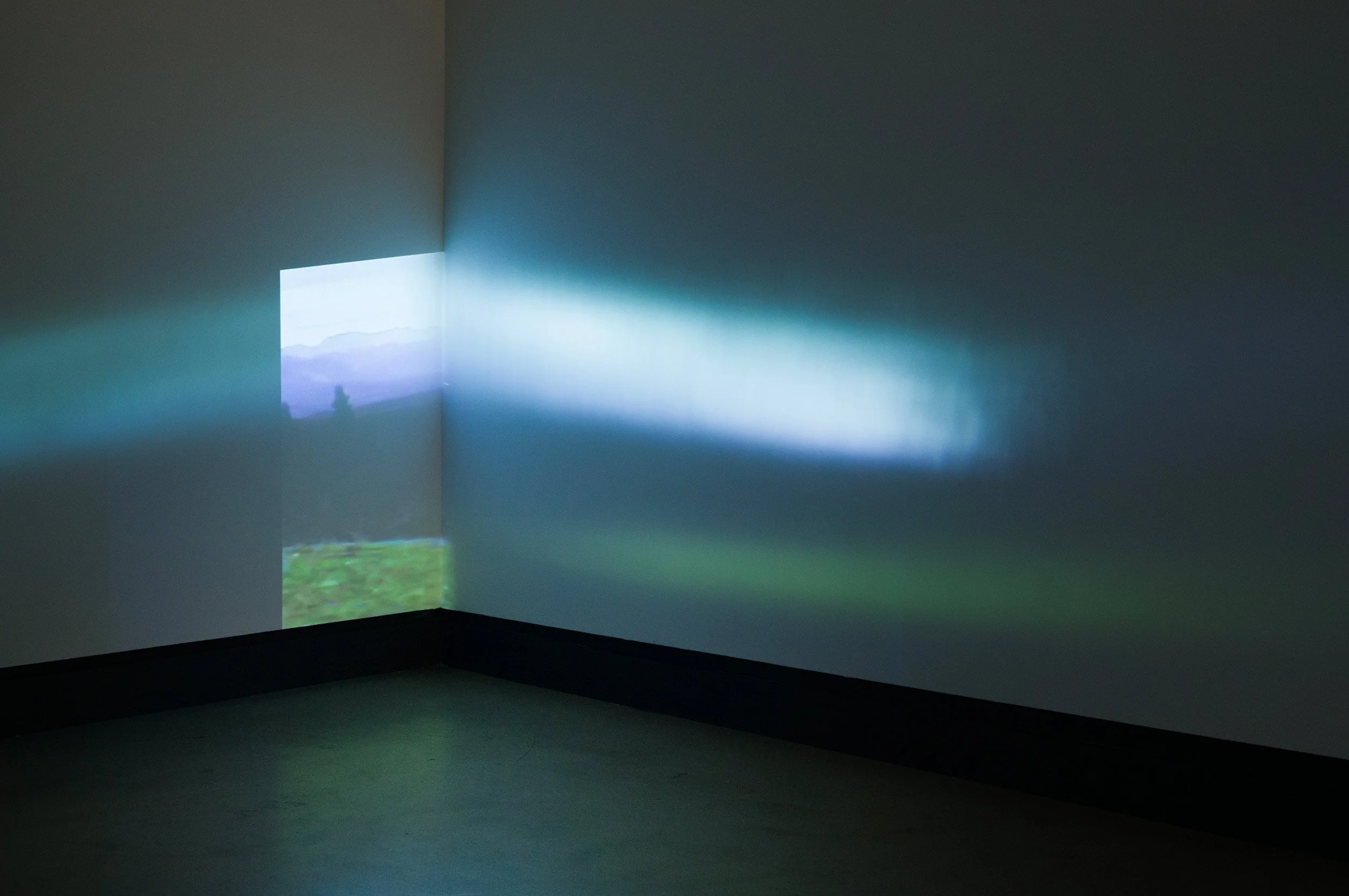
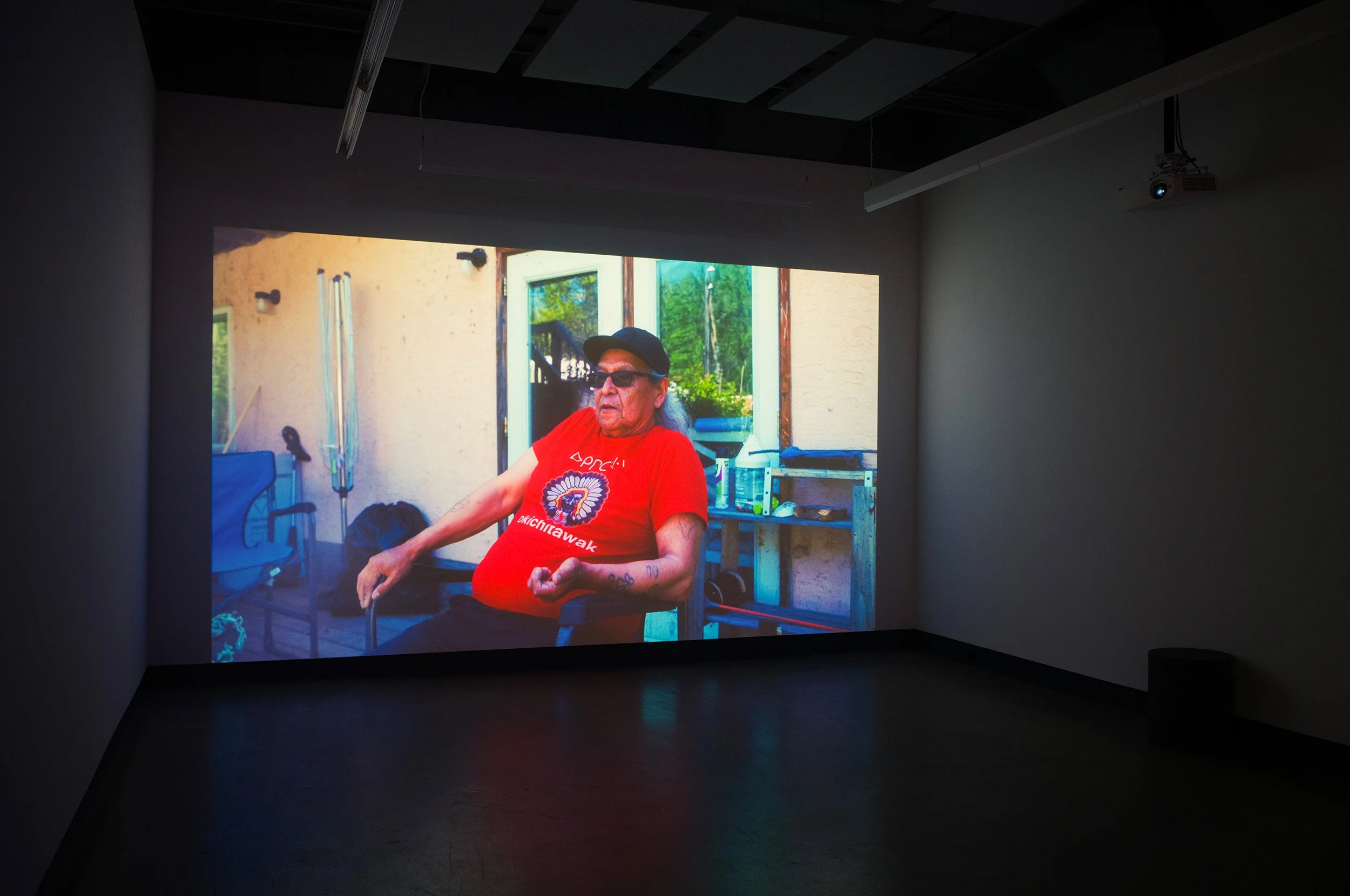
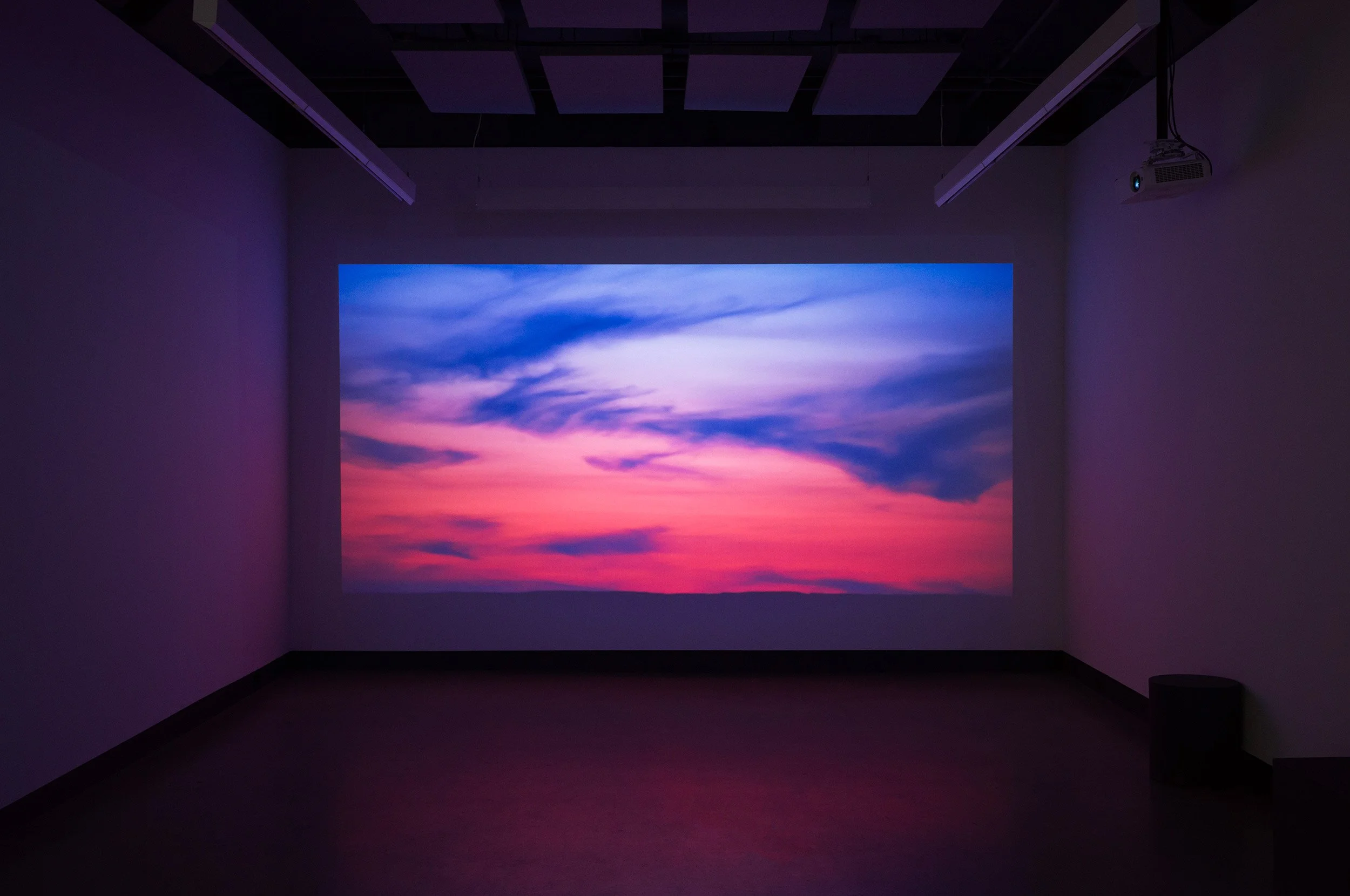
Tyson Houseman’s practice is land-based and land-informed, prioritizing sustainability while honouring specific reciprocal connections to the lands with which he engages. In NDN Time, four video channels stand in for the four directions, surrounding the space with towering mountains and rolling clouds. Water flows; hands harvest medicines. Accelerated, decelerated, reversed, and blurred, these images contemplate time’s shifting forms from a nêhiyaw cosmological perspective: time as diffracted, as cyclical and inextricable from the land, as deep and geological, the movement of consciousness moving through matter.
Family is likewise a framework for time. Made collaboratively with Houseman’s brothers and grandfather, the images document sites across the Rockies, including the Kootenay Plains, Ermineskin Cree Nation, and the family’s mountain camp. Guiding us through these landscapes is the artist’s grandfather, Ken Roan, a nêwoiyiwak Elder, who imparts that there is no such thing as time. There is only the space between things. Time is not marked by intervals; it is the interval of pause that joins the elements.
Archival images and home video layer in an embodied presence of near and distant pasts. 16 mm B-roll glances back to Smallboy Camp, a self-governed Indigenous community established in the 1970s. In a rejection of the reservation system, they opted for miyo-pimatisiwin, or “living in a good way.” VHS, shot by Houseman’s father in the 1990s, looks onto the same landscapes, unchanged—except for a different grain—testifying that thirty years in the life of water, sky, and rock is relative to an eye blinking.
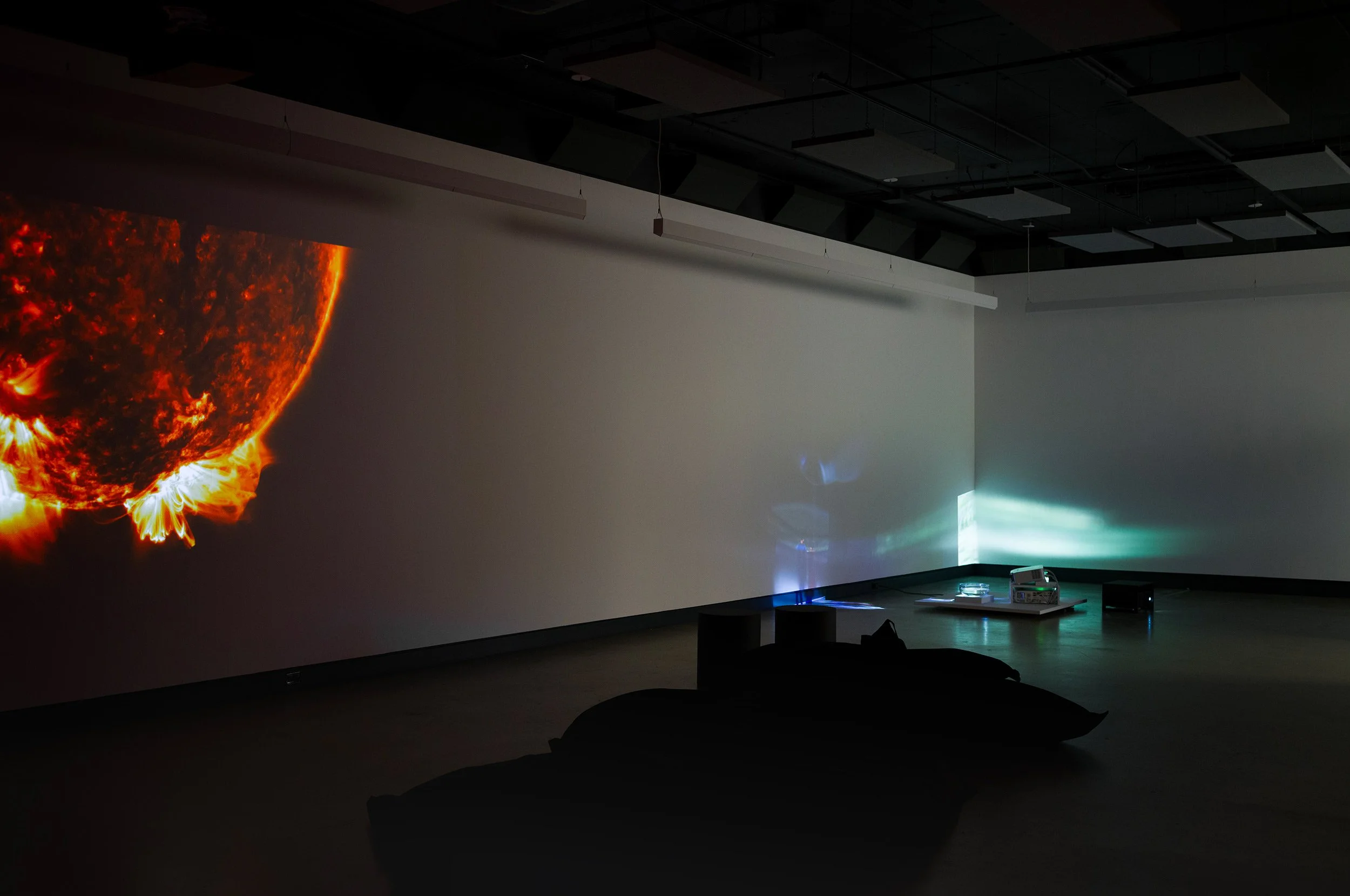
In an expanded view of the space that is time, there is also the sun. Captured in ten wavelengths by NASA’s Solar Dynamics Observatory (SDO), the burning star appears as a topography of explosions, solar flares, and gigantic filaments of plasma looping along magnetic field lines, reminding us both of time’s cosmic nature, and that it is time to meet the day.
Music and sound design by Devon Bate
Exhibition text in nêhiyawêwin (Plains Cree)
Tyson Houseman sa isîhcikêwin êwako askîwipamihisowin mîna akâmaskîhk- kiskêyihtamohiwêwin, nîkânêyihtâkwan yakwamêyimowin mêkwâc kistêyihcikâtêw mêmohci nîsôhkawêwin âkwâpitisowina isi askiya kiko asici ka- mâmawohkamatow. pîhci NDN Time, nêwo cikâstêpayihcikana nîpawastêwa nêwo yîwêpinisiwina, wâsakâm tawâwin asici misi-waciya mîna pimaskawan. nipiy pimiciwan; môskinamowin maskihkiya. âsêpayiw, âsênam, ka-âsêpayik mîna pîkisênâkwan, ôhi cikâstêpayihcikana mâmitonêyihtam tânisi ê-isipayiki-ahkiwina ohci nêhiyaw misiwêkîsikohk itâpisiniwin: papâsêpayiw ê-ispayik, ê-wâsakâmêpayik êkwa mîna êkâwîhkât ka-piskitêpayik ohci askiy, ê-pîhtawêskamik-miywâsinik, ôma mamihtonêyihtamowin ê-itâmostêpayik askiy-wîyasihk.
wîtotîmâkan êwako pêyakwan wiyastêwin kiki ispayin. mâmâwi-osîhcikâtêw asici Houseman sa ostîsa mîna omôsoma, ôma cikâstêpayihcikan wâpahcikâtêwa itêhkêskamikohk akami asinîwaciya, asici Kootenay maskotêwa, maskwacîsihk, mîna wîtotîmâkan sa wacihk-matokahpihk. kiskinohtahikonaw sâpo ôhi wâsakâmihtawina êwako otapasinahikêw sa môsôma, Ken Roan, nêwoiyiwak kêhtê-âya, êkwâna ka-wîhta êka kîkway papâsêpayiw ê-ispayin. tâwawin piko tastâw ôhi kîkwaya. ispayin namôy ê-tatastêki tipahikanina; êwako tipahikan ka-âstêhtik êkwânima pimitisahêmakan piskihtastêwina.
ê-mâwacihcikêhk cikâstêpayihcikana mîna cihkâstêpayihcikan pîkiskwêmohtâwin wiyastêw ôhi ka-kî-isipâyiki kayâs êkwa mîna sêmâk kâ-pîhhtawêpayik. 16 mm B-roll kêsiskaw katapahtam apitcitciw kapêsiwin, otipêyimisowin nêhiyaw mâmawâyâwinihk kistastêw ispîhk 1970s. ânwêhtamowin ohci iskonikan pamihcikêwin, kî-tipêyimowak kiki miyo-pimatisiwin, ahpô “ê-miyo-pimâtisicik”. VHS, masinipicikan ohci Houseman sa opâpâwa ispîhk 1990s, kitâpahtamôwan pah-pêyakwan wâsakâmihtawina, namôy mêskocipayin—êwako piko pîtos pîwipaciki—âcomostâkan êkwânima nistomitanâw askiy pimatistiwin ohci nipiy, waskow, mîna asiniy êwako ê-isipâyik mîna ê-kakisatwâpîniwân.
pîhci yahkipitamowin wâpahcikêwin ohci tawâwin êwako ispayin, êkwa mîna pîsim. kâhcitinikêwin isi mitâtaht ê-yîkwaskwêki ohci NASA sa ka-itâpamicikêpalihk kîsikohk pîsim kâ-isipâyik (SDO), kwâkoti-acâhkos nôkosiw ka-isi-wâwêyipâyik askiy pâskitêpayiwin, ka-pâskitê-wâskahikâtêki pîsimohk, mîna misi-pîstênâkokihk ôhi ka-wâsêyâki acâhkos-mîstakaya wâsakâmêpahihki ôhi ka-âmaciw-mêskanâwihtêki; kiskisomikonaw nanapo ispayin sa misiwêkîsikohk, mîna êwako ispîhk ta-nakiskamahk kîsikâw.
okitohcikêw Devon Bate
This exhibition includes the works:
NDN Time (2026)
Four-channel video, sound — 16 min 33 s
Mountain Cree (you carry it with you) (2026)
16 mm archival footage, video, no sound — 3 min 30 s
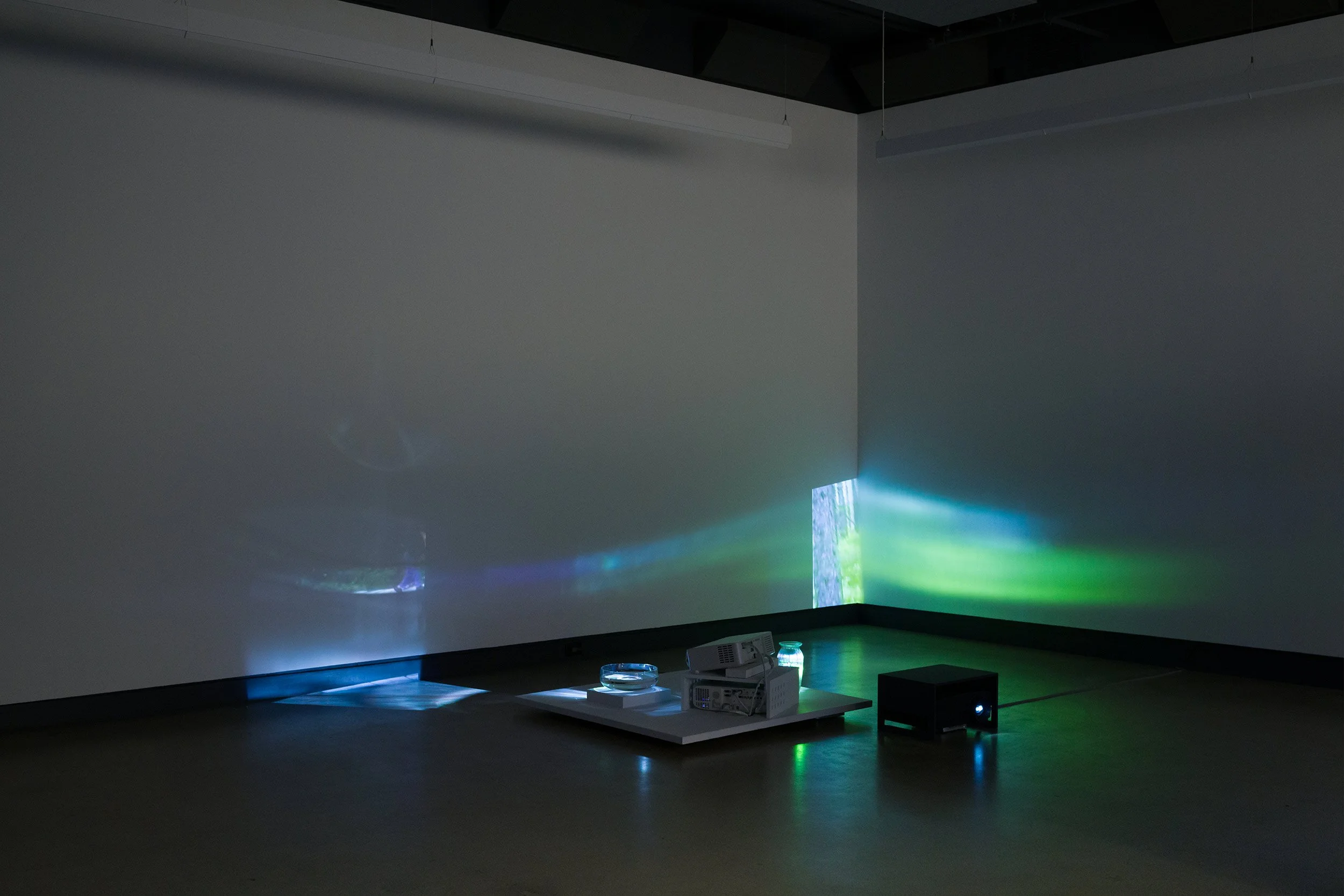
Collapser 1 and Collapser 2 (2026)
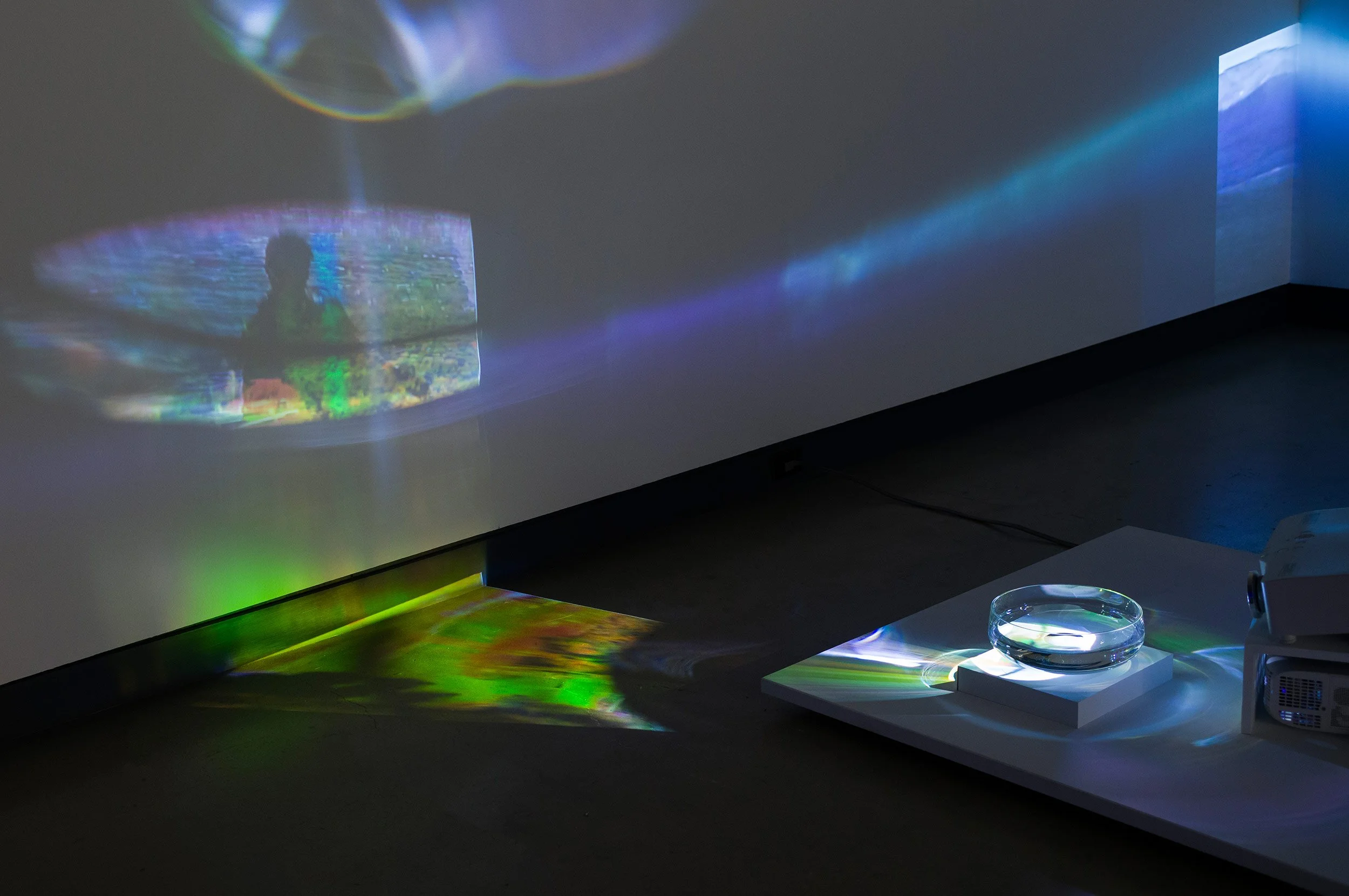
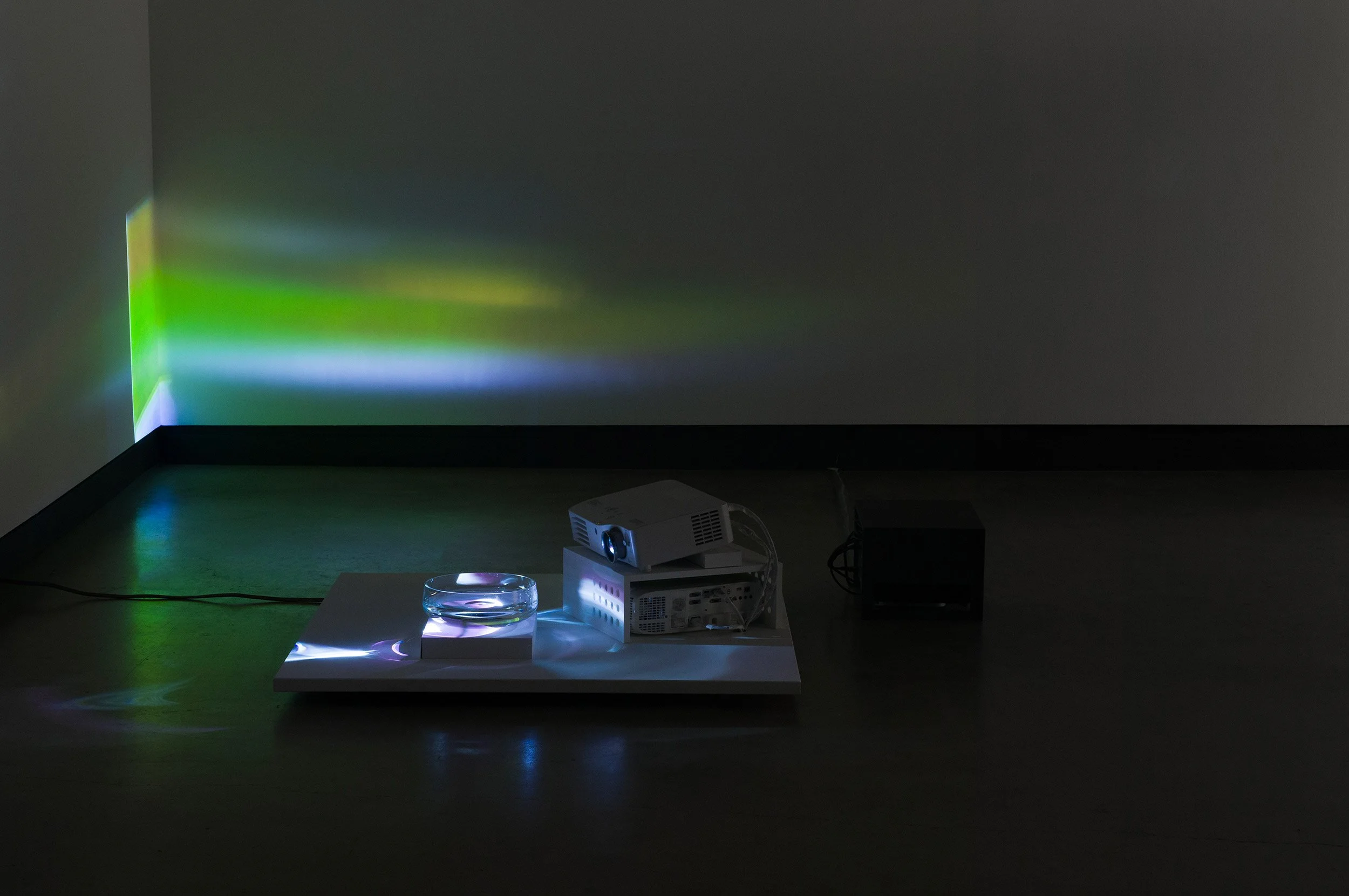
Two-channel video installation, no sound, found glass vases, water — 7 min 38 s
Tyson Houseman is a nêhiyaw video artist, performer and filmmaker from Paul First Nation. He has exhibited at several galleries, museums, and film festivals, including ICA Boston, e-flux Screening Room (New York), Musée d’art de Joliette, and The Shed NYC, where he was a recipient of the 2025 Open Call commission. He has been awarded fellowships by Forge Project, COUSIN Collective, and MacDowell. Houseman holds an MFA in Fine Arts from the School of Visual Arts in NYC.
Devon Bate is a Montreal-based sound artist, music producer, and researcher. After dedicating seven years to the arts, he returned to university to obtain a Master’s degree in Media Studies at Concordia University. Concurrently, he engaged in research projects across Canada, exploring the intersections of sound, sleep, technology, and the environment. Over the past decade, Bate has successfully produced 16 LPs, including acclaimed projects such as Jeremy Dutcher’s Wolastoqiyik Lintuwakonawa, a recipient of the Polaris Prize and a Juno Award, as well as Jean-Michel Blais’ Il, recognized by TIME as one of the top 10 albums of the year. Bate’s former theatre company, Cabal Theatre, received eight nominations for the Montreal English Theatre Awards, including three in the Outstanding Composition and Sound Design category. Across disciplines he has established himself with his rigorously experimental and playful style, emphasizing a collaborative approach to creation and research. His research and production works are supported by many grants.
Outreach
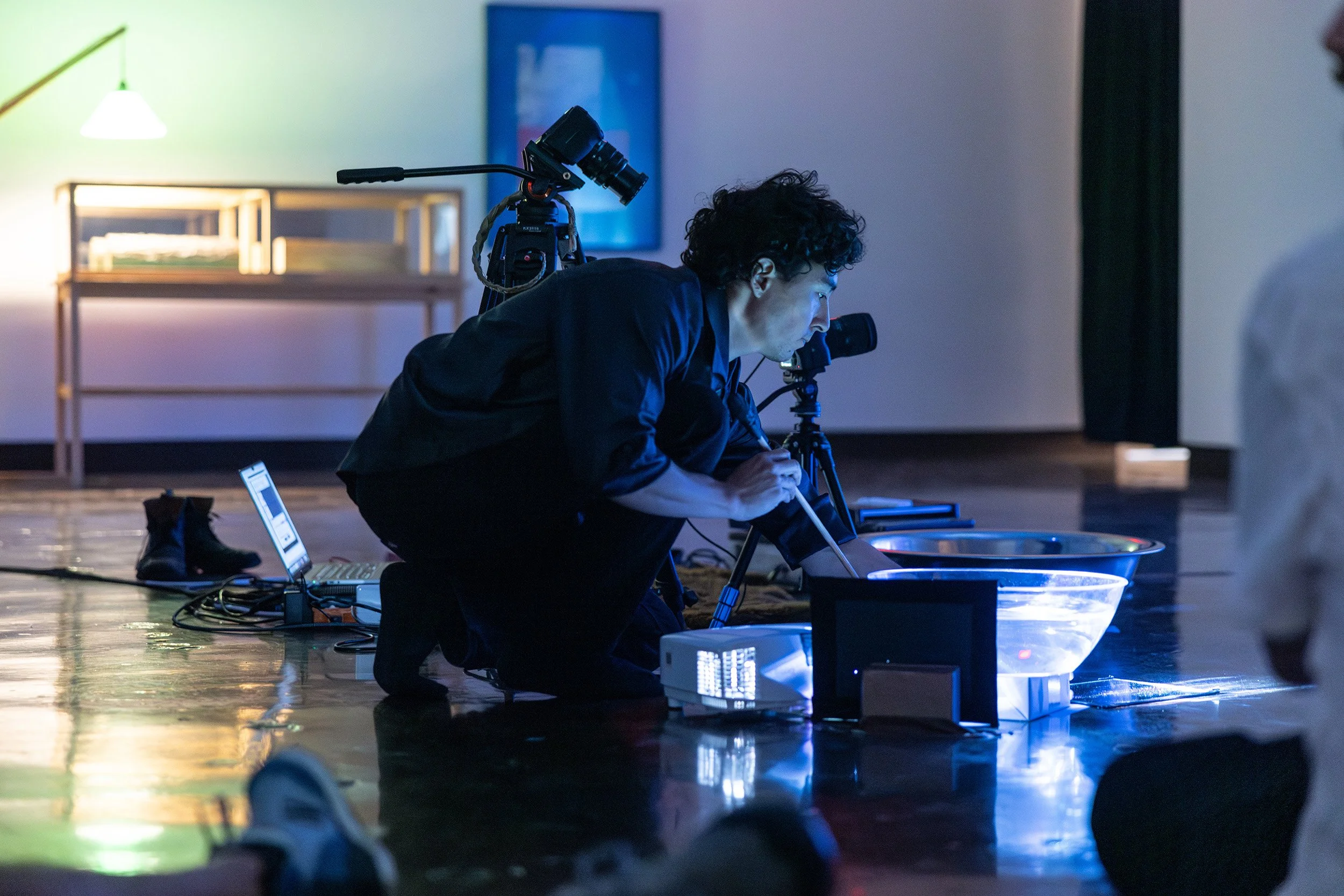
Meet the artist
October 24, 2026, at 2 pm
Event
Rentrée de Gaspé
September 11, 2026
5 pm — 11 pm
Other exhibition
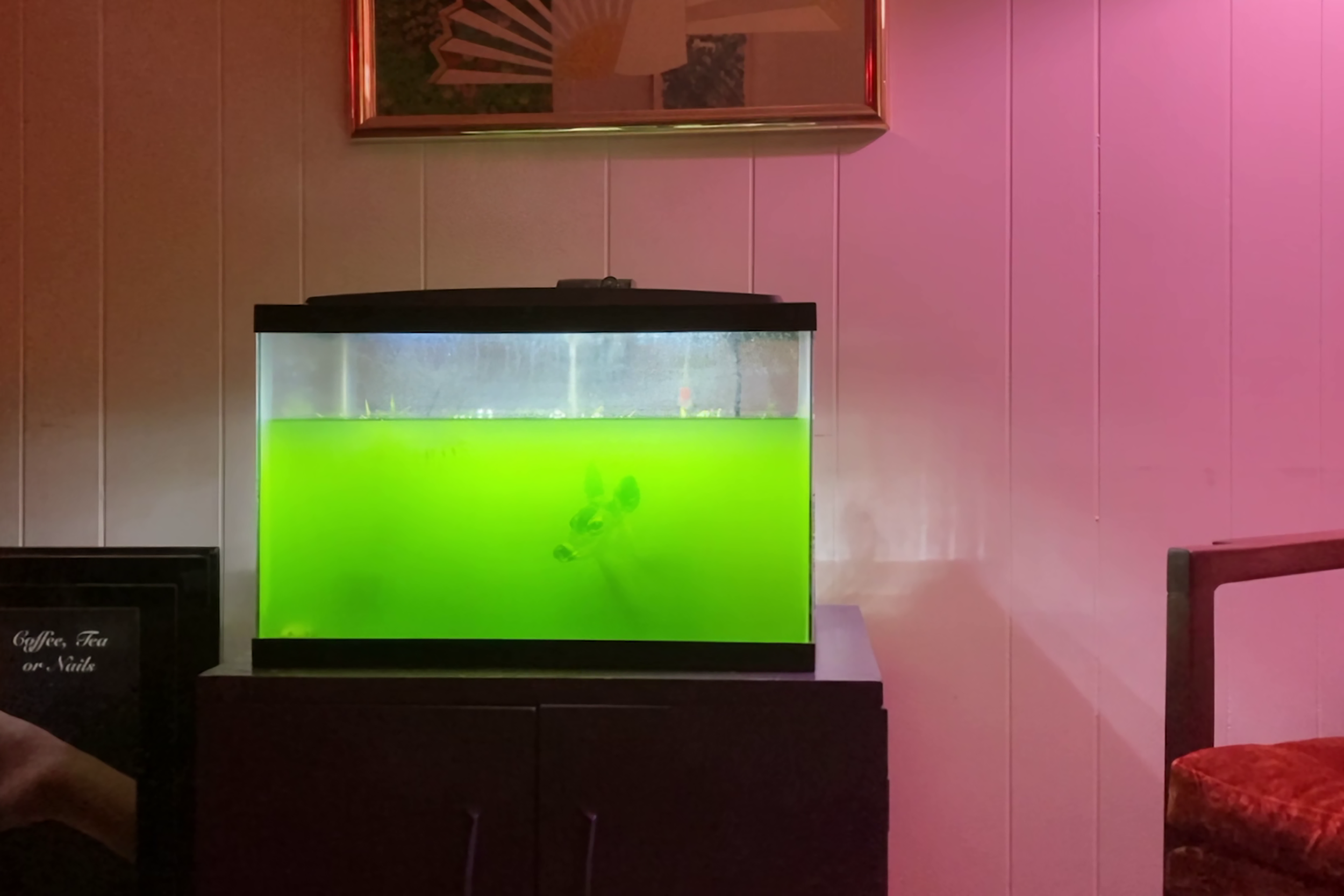
Vijay Masharani
Selected Videos
From September 11 to October 31, 2026
Dazibao thanks the artist for his generous collaboration as well as its advisory committee for their support.
Dazibao receives financial support from the Conseil des arts et des lettres du Québec, the Canada Council for the Arts, the Conseil des arts de Montréal, the ministère de la Culture et des Communications and the Ville de Montréal. Dazibao acknowledges that it is located on the unceded territory of the Kanien'kehá: ka Nation and that Tiohtiá:ke / Montreal is historically known as a gathering place for many First Nations, and today, is home to a diverse population of Indigenous as well as other peoples. Guided by ethics of respect, listening, and awareness, Dazibao commits to a continued reflection regarding the deep-rooted and systemic challenges tied to accessibility and inclusivity in the arts and beyond, and endeavors to apply such reflections to all aspects of its activities and governance.